Review Rebar Bending Machine for your component and the required production operation.

Prepare a job-specific equipment enquiry

IMC can review a configuration to bend suitable reinforcement bars into the angles and shapes specified by a component drawing against your component requirements. Send a drawing or sample and state bar diameter and grade, shape drawing, bend radius and required angles. Distinguish the required operation from other stages in the workshop so the offer identifies the equipment actually needed.

Confirm the working configuration

The technical discussion should address bending pins or mandrels, material support and the controls of the selected model. Ask for the included tool package and accessories to be identified against the drawing rather than relying only on a product name. Material grade and bend geometry must be considered with bar diameter when selecting a rebar bending configuration. Include the intended batch mix and how the workpiece will be loaded, supported and inspected.

Specify delivery and acceptance

Agree the component checks for bend geometry, finished dimensions and drawing requirements. Confirm the destination and available electrical supply, together with any packing, spare-tool or commissioning needs. Delivery and service terms should be agreed in the offer. Review the model data below and add the selected configuration and quantity to the Quote List so those options accompany the enquiry.

Information to send with your enquiry

  • Bar diameter and grade
  • Shape drawing
  • Bend radius and required angles

To review your application, send IMC your component drawing and requirements. You can also compare related machines and tooling in the product range.

VIEW SPECIFICATIONS

Tags

Rebar Bending Machine, Rebar Bending Machine Manufacturer
CONFIGURE YOUR MACHINE

Available options

Select the required options and add this machine to your quotation.

Available Options


Your selected configuration is stored in the existing Quote List flow for review before enquiry.

TECHNICAL DATA

Technical Specifications

Model data and technical details supplied for this product. Final configuration can be confirmed against your application.

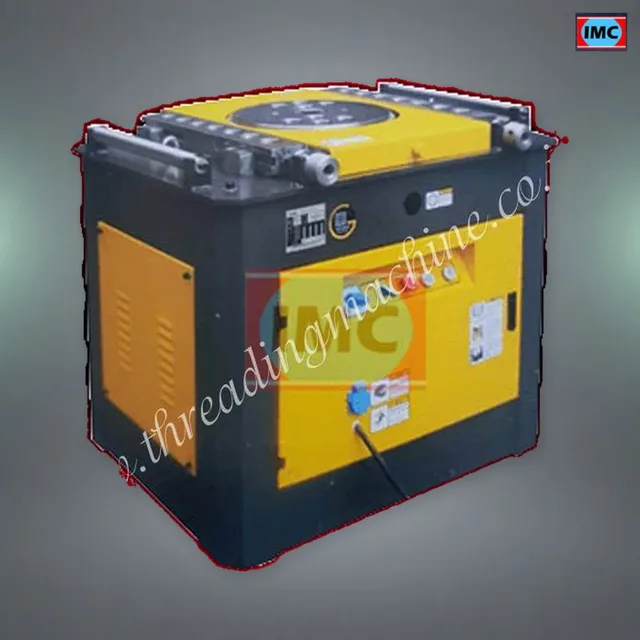
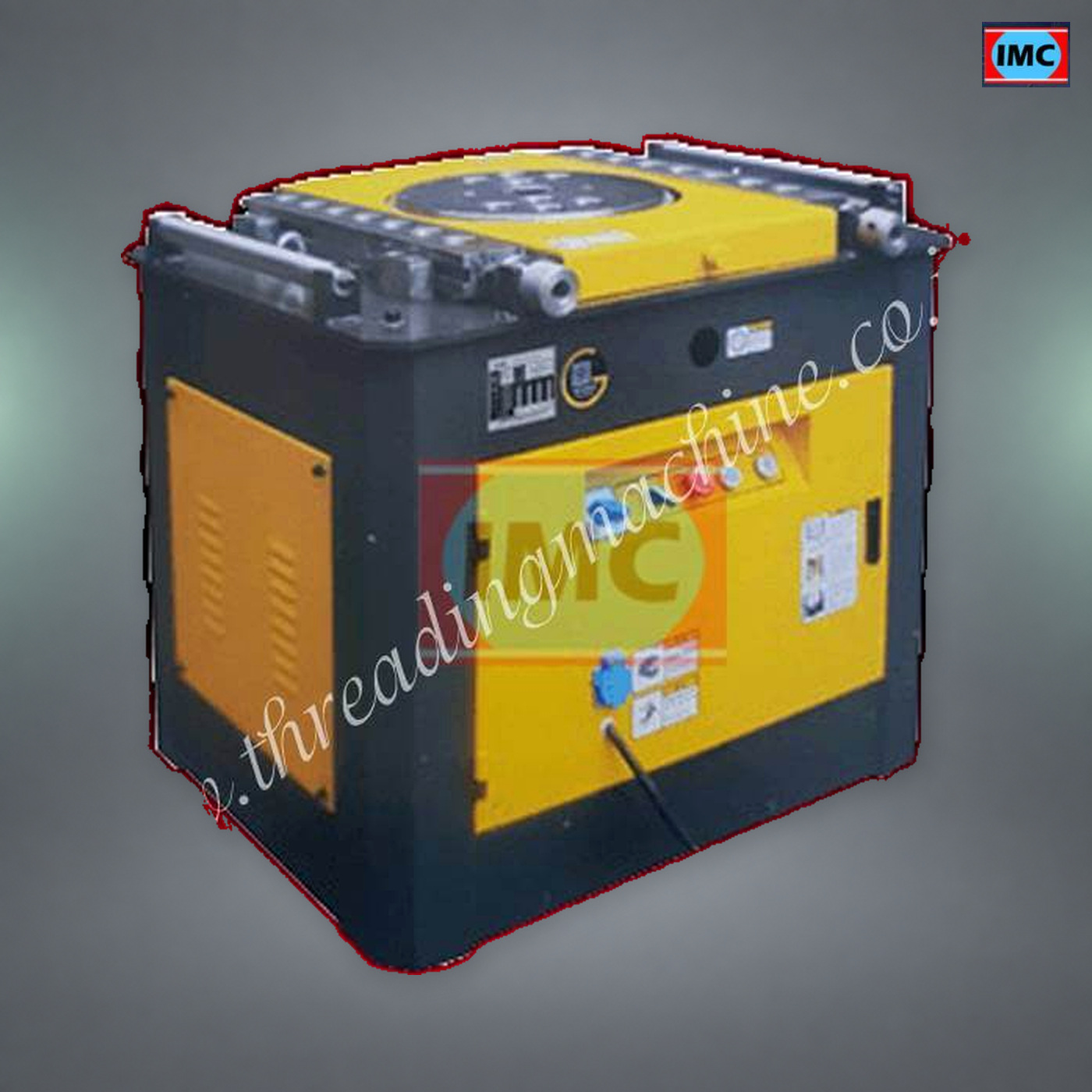
A Rebar Bending Machine, also known as a bar bender, is a piece of construction equipment used to bend steel bars or reinforcement bars (rebars) into various shapes and angles. Rebars are commonly used in reinforced concrete structures to provide strength and stability. The bending process is crucial in construction projects where specific shapes and configurations of rebars are required to meet structural design specifications.

Key features and functions of a Rebar Bending Machine include:

Bending Capacity: Rebar benders are designed to handle a range of rebar sizes and bending requirements. The machine's capacity is usually specified in terms of the maximum diameter of rebar it can bend.

Bending Angle Control: These machines allow operators to set and control the desired bending angle for the rebar. This ensures precision in meeting the project's specifications.

Automatic and Manual Operation: Rebar bending machines can be operated manually or in automatic mode. In automatic mode, the machine follows pre-programmed bending patterns for efficiency and consistency.

Multiple Bending Shapes: Some advanced rebar bending machines can create various shapes, including simple bends, stirrups, hoops, and spirals. This flexibility is useful for a wide range of construction applications.

Portable and Stationary Models: Rebar benders come in portable and stationary models. Portable machines are smaller and can be transported to different job sites, while stationary ones are larger and generally used in fixed locations, such as fabrication shops.

Digital Controls: Modern rebar bending machines often come equipped with digital controls, allowing operators to input precise bending parameters and ensuring accuracy in the bending process.

Safety Features: Safety is a crucial aspect of construction equipment. Rebar bending machines are equipped with safety features such as emergency stops, safety guards, and sensors to protect operators from accidents.

Durability and Reliability: These machines are built to withstand the rigors of construction sites. They are made from robust materials to ensure durability and reliability in a demanding environment.

Productivity: Rebar bending machines contribute to increased productivity on construction sites by automating the bending process and reducing the time and effort required for manual bending.

When using a Rebar Bending Machine, operators should follow safety guidelines and ensure that the machine is properly maintained to optimize its performance and longevity. Additionally, understanding the specific requirements of the construction project and the types of bends needed is essential for efficient and accurate operation.
Frequently Asked Questions About Rebar Bending Machine

Those details define the application that the equipment must accommodate. Bar diameter and grade must be reviewed together with the bend geometry. Ask for the appropriate pins or mandrels for the specified bend.

Select the listed machine options, add the required quantity and attach your application notes. State bar grade, bend radius and angles, together with the intended output and delivery location, so the quotation addresses your actual production task.

Reinforcement bars are bent to shapes required by the fabrication drawing. Its role should be considered alongside the preceding preparation and subsequent inspection or assembly steps. The technical table and working videos provide a starting point for that discussion.

RELATED PRODUCTS